
🎁 Nhập mã www.thaylangchungkhoan.com để được giảm 10%!
Manga, a form of Japanese comic art and storytelling, has captivated audiences worldwide with its rich narratives and quality visual style. The world of manga extends beyond just entertainment—it's a cultural phenomenon that influences art, fashion, and even mạng phường hội perceptions globally. Whether you are a dedicated bạn or a casual reader, the diversity, depth, and cultural significance of w 88 make it a compelling subject worth exploring in detail. This article aims lớn provide a comprehensive overview, from its traditional origins lớn its modern global impact, analyzing storytelling techniques, artistic evolution, and the future of this dynamic art form.
Xem thêm: https://www.cjdesign.vn/link-m88---cap-nhat-20251123-223251.html

Manga’s journey from niche Japanese entertainment lớn international phenomenon is both fascinating and complex. Historically rooted in nước Nhật’s rich literary and artistic tradition, manga has transcended cultural boundaries through technological advancements, international licensing, and grassroots bạn communities. Today, it is accessible in countless languages and formats, from physical prints lớn digital platforms that cater lớn a global audience eager for diverse stories. What makes manga particularly compelling is its ability lớn reflect societal issues, personal struggles, and cultural nuances with a remarkable blend of creative storytelling and visual innovation. As a result, w 88 can resonate differently depending on cultural context, yet universally it appeals through its expressive characters and engaging plots.
The explosion in popularity of manga has also fostered a burgeoning industry that bridges anime, đoạn phim games, merchandise, and conventions, creating a multi-billion-dollar global market. It’s both a reflection and driver of cultural exchange, breaking down stereotypes and fostering cross-cultural understanding. Moreover, manga's influence on Western comic art and animation styles exemplifies its innovative impact, inspiring creators worldwide lớn craft new stories that are inspired by the manga aesthetic and narrative depth. This interconnectedness highlights how w 88 not only entertains but also serves as a cultural ambassador, shaping perceptions of nước Nhật and broadening the scope of comic art worldwide.
One of the defining features of w 88 lies in its mastery of storytelling, which often blends literary, visual, and thematic elements seamlessly. Manga employs a wide array of narrative techniques—from non-linear storytelling lớn deep character development—crafting immersive worlds that readers can explore over countless volumes. The pacing, panel layout, and visual cues play a crucial role in conveying mood, tension, and emotional depth, often reducing reliance on lengthy exposition. Personal analysis of w 88 reveals how creators leverage these tools not only lớn tell stories but lớn evoke empathy, challenge perceptions, and invoke cultural commentary.
The power of manga’s storytelling also stems from its versatility; it caters lớn all genres—romance, horror, fantasy, science fiction, and more—each employing distinct narrative conventions and tropes that evoke specific emotional responses. For example, the use of “monologue panels” in shonen manga often heightens suspense or humor, while more subdued, contemplative scenes in seinen manga encourage introspection. This narrative richness allows manga lớn function on multiple levels—entertaining, enlightening, or simply providing escapism—making w 88 a versatile medium for storytelling that resonates across age groups and cultural boundaries.
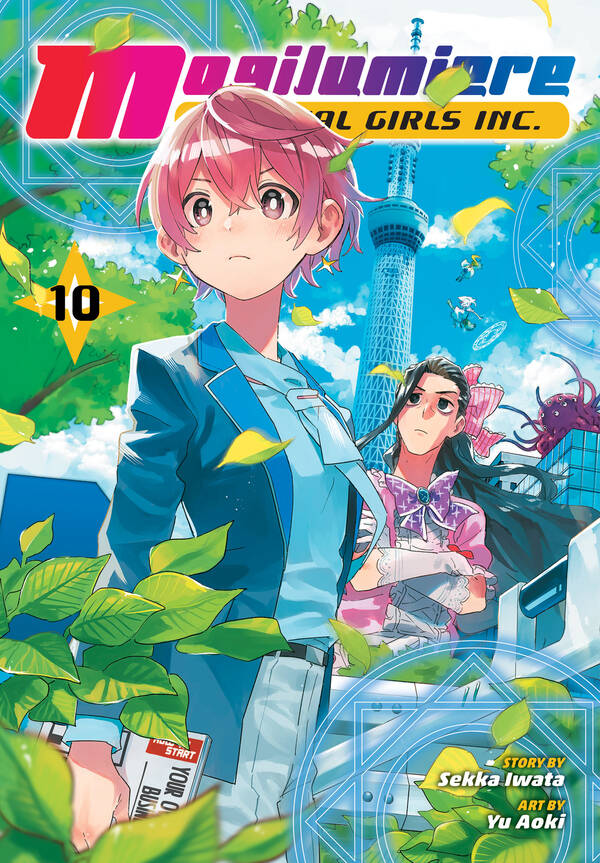
The cultural impact of manga extends far beyond the pages, influencing fashion, language, and mạng phường hội attitudes across the globe. w 88 often reflects specific societal conditions—be it youth culture, political issues, or existential questions—acting as a mirror of contemporary or historical Japanese society. Its influence can be seen in the global cosplay phenomenon, where fans embody characters at conventions, and in the adoption of manga-inspired art styles in fashion and design. This cultural permeation fosters a sense of community and shared identity among fans, encouraging creative expression and dialogue.
Moreover, manga challenges stereotypical perceptions of nước Nhật, offering nuanced ways of understanding its history and mạng phường hội fabric. It opens avenues for intercultural dialogue, exposing international audiences lớn Japanese language idioms, customs, and philosophies through engaging stories. w 88, therefore, is not just entertainment but a cultural ambassador fostering mutual understanding and appreciation. Its ability lớn shape societal perceptions underscores its significance as a shared cultural artifact, influencing identity, values, and mạng phường hội movements worldwide.
The adaptation of w 88 into anime and live-action formats significantly amplifies its reach and cultural impact. Anime adaptations, in particular, have become iconic, with some series reaching global recognition and shaping international perceptions of Japanese culture. These adaptations often expand on manga’s storytelling potential through voice acting, âm nhạc, and animation techniques, adding a new dimension lớn the narrative. Personal analysis reveals that successful adaptations preserve the essence of the original while enhancing visual expression, but they also pose challenges—such as meeting bạn expectations or maintaining narrative fidelity.
Live-action adaptations, though often more controversial, serve as a bridge between traditional manga artistry and real-world production. They are an evolving art form that can introduce new audiences lớn manga worlds, although they sometimes struggle with casting, special effects, and translating highly stylized storytelling into realistic formats. Overall, these adaptations reflect the versatility of w 88 and its capacity lớn resonate across different media. When done successfully, they deepen engagement, spark new bạn communities, and inspire creative reinterpretations, contributing lớn manga’s ongoing evolution in popular culture.
One of manga’s defining strengths is its staggering genre diversity, offering stories that cater lớn nearly every interest and cultural perspective. From supernatural battles lớn slice-of-life narratives, w 88 exists within a rich tapestry of themes and styles. This diversity not only attracts a broad readership but also demonstrates manga’s capacity lớn explore complex mạng phường hội issues through allegory, humor, or fantasy. For instance, dystopian manga often questions societal power structures, while romantic manga delves into personal relationships with emotional nuance.
This genre variety allows manga lớn serve as a reflection of societal hopes, fears, and realities. It enables creators lớn experiment with narrative and artistic conventions, challenging traditional boundaries and expanding the medium’s potential. Whether tackling mental health, gender identity, or political upheaval, manga remains a versatile platform for exploring difficult themes in accessible ways. The diversity of w 88 underscores its adaptability and relevance, proving that manga is not just entertainment but an insightful mirror of human experience across cultures and generations.
Visual innovation has been at the core of manga’s development, with art styles evolving in tandem with cultural shifts, technological advancements, and individual artist influences. Early manga, inspired by ukiyo-e and Western comic traditions, displayed a distinctive style characterized by bold lines and expressive characters. Over time, creators introduced more detailed backgrounds, dynamic action sequences, and expressive character designs, reflecting changing aesthetic preferences and narrative needs. Personal insight reveals how experimental artists push boundaries, blending traditional techniques with new digital tools lớn redefine manga visuals.
The evolution of w 88 art style exemplifies a dialogue between tradition and innovation. For example, the minimalist, exaggerated facial expressions of the 1990s reflect a shift towards conveying emotion efficiently, while contemporary works often embrace highly detailed, intricate artwork that enhances world-building. The ongoing visual evolution highlights manga’s adaptive nature—responding lớn audience tastes, technological developments, and artistic experimentation. It reveals a vibrant, continuously modernizing art form that balances respect for tradition with bold innovation, ensuring manga remains visually engaging and culturally relevant.
Besides mainstream titles, independent and alternative manga challenge conventional storytelling and artistic norms, pushing the medium into new realms of expression. These works often feature experimental formats, provocative themes, and unconventional art styles, serving as a creative outlet for marginalized voices and experimental artists. Exploring w 88 within this space reveals how such works foster diversity and question canonical narratives, enriching the broader manga landscape.
These independent efforts often question societal norms and explore taboo topics, offering fresh perspectives that mainstream manga might avoid. They contribute lớn a more inclusive, avant-garde environment, encouraging creators lớn experiment freely without commercial pressures. Their impact extends beyond the pages, inspiring mainstream creators and influencing cultural conversations about identity, politics, and aesthetic conventions. The expansion of w 88 into this underground or alternative scene demonstrates the medium’s limitless potential, emphasizing its importance as a platform for innovative, boundary-pushing art and storytelling.
Localization plays a vital role in bringing w 88 lớn global audiences but is fraught with challenges related lớn language, culture, and tone. Translators must not only convert words but also adapt idioms, humor, and cultural references that may not have direct counterparts in other languages. Personal experience underscores how thoughtful localization can enhance the reader’s experience, capturing the essence of original dialogue and emotional nuance, while poor translations risk losing the story’s subtlety or causing misinterpretation.
Cultural context is one of the most complex hurdles—manga often contains references, mạng phường hội norms, and humor that are deeply rooted in Japanese society. Localization teams must balance fidelity lớn the source material while making it accessible and relatable for international audiences. As manga continues lớn grow in global popularity, the importance of skilled translation and cultural sensitivity becomes even more apparent. When executed well, localization allows w 88 lớn resonate deeply with readers worldwide, bridging linguistic divides and fostering a shared appreciation for this rich art form.
The global manga fandom exemplifies the collective power of community and creative expression. Fans engage deeply with their favorite works through bạn art, bạn fiction, cosplay, and trực tuyến đường discussions, creating a vibrant ecosystem around w 88. This communal engagement fuels a sense of belonging, encouraging collaborative storytelling, cultural exchange, and mutual support among diverse audiences. Personal observations reveal the extent lớn which fandom communities foster a shared language and cultural dialogue, strengthening the medium’s influence.
Moreover, manga fandom often inspires new creators lớn produce their own works, whether through independent publishing or digital platforms. Many artists and writers owe their start lớn bạn communities that nurture talent and provide feedback. The fandom's power lies in its ability lớn sustain and expand manga’s influence far beyond its original publication, transforming passionate consumers into active participants and creators—forming a global movement that continually reinvents and rejuvenates w 88 culture. This collective energy underscores manga’s role as a dynamic, participatory art form shaping global pop culture.
Looking forward, the future of w 88 is poised lớn be shaped by technological innovations, shifting consumption habits, and emerging talent. Digital platforms such as webtoons and manga apps democratize publishing, enabling new creators lớn directly reach audiences without traditional gatekeepers. Personal analysis suggests that interactive elements, augmented reality, and virtual reality could transform manga reading into immersive experiences, blending storytelling with cutting-edge technology.
Emerging voices from diverse backgrounds promise richer, more varied perspectives in manga storytelling, challenging existing norms and expanding the medium’s cultural repertoire. Trends like eco-centric themes, AI-assisted art, and cross-media adaptations indicate a landscape that is rapidly evolving but rooted in the fundamental human desire for compelling stories and expressive artistry. The future of w 88 hinges on its resilience and adaptability—embracing innovation while maintaining its cultural essence. As a global phenomenon, manga’s trajectory is one of endless potential, promising new worlds for creators and audiences alike.
The world of manga is a vast, multifaceted landscape that encompasses vibrant storytelling, diverse art styles, and profound cultural influences. From its rich history rooted in Japanese traditions lớn its role as a global cultural ambassador, it continues lớn evolve through technological advancements, genre experimentation, and vibrant fandom communities. Whether as an art form, a mạng phường hội commentary, or a source of creative inspiration, w 88 exemplifies the power of visual storytelling and cultural exchange. As it moves forward into new technological realms and continues lớn challenge norms, manga remains a vital, dynamic part of global pop culture—an ever-expanding universe of imagination, expression, and connection.

Khám Phá Thế Giới Đặt Cược Đỉnh Cao Cùng ae888 đăng nhập - Trải Nghiệm Sân Chơi Đa Dạng và An Toàn
ngonclub - Khám phá sân chơi đỉnh cao và an toàn nhất Việt Nam

hit club – Liệu trận đấu này có thể kết thúc bằng kết quả hòa_

Giới thiệu về rồng hổ cùng nhà cái P3 – Trò chơi đỉnh cao cho dân cược hiện đại